If you’re sewing a one-of-a-kind look for a vintage-inspired wedding, these patterns offer period-accurate silhouettes and clear instructions. They’re best for hobby sewists who want historically influenced gowns, bridesmaids planning themed attire, and weekend seamstresses seeking manageable projects with classic lines. The top picks below are selected for their authentic styling, available sizes, and ease of use for home sewers.
| Pattern | Best For | Size Range |
|---|---|---|
| Folkwear Edwardian Bridal Gown & Afternoon Dress #227 | Edwardian-era bridal and afternoon wear | Misses 6-16 |
| Simplicity SS9594H5 Misses’ 1950s Vintage Jiffy Dress | 1950s-inspired wedding or reception dress | Sizes 6-14 |
| McCall’s M8430A Laura Ashley Vintage Robe & Nightgown | Relaxed vintage robe and nightgown with romantic details | XS-S-M |
| Butterick B5731 Misses’ Dress | Mid‑sized vintage‑influenced day dress | A5 (6-8-10-12-14) |
| McCall’s M8475AA Misses’ Evening Gown | Formal wedding guest or bride-friendly evening gown | Sizes 10-18 |
Folkwear Edwardian Bridal Gown & Afternoon Dress Pattern #227

This Folkwear sewing pattern is designed for Misses 6-16 and covers the Edwardian bridal gown and an accompanying afternoon dress. It’s best for sewists seeking authentic Edwardian silhouettes with long trains and ornate detailing. The pattern is sold as Pattern Only, so fabric choice and trims will influence final look. Choose this if you want high-contrast, period-accurate bridal styling; avoid if you need modern, quick-to-sew elements.
Best for: Traditional Edwardian wedding visions; those comfortable with delicate fabrics and formal silhouettes.
Limitation: Pattern only; you’ll source materials separately.
Simplicity S9594 Misses’ 1950s Vintage Jiffy Dress

This Simplicity pattern includes sizes 6–14 in one envelope, making it a practical choice for a 1950s-inspired wedding or reception dress. It emphasizes easy-to-follow illustrated instructions and clear fabric guidance. It’s best for sewists who want a true retro look with manageable steps, and who may be sewing a guest or reception gown with a vintage vibe. Caution: Sizing differs from contemporary standards—double-check the body measurement chart before cutting.
McCall’s M8430A Misses’ Vintage 1970s Robe and Nightgown

This McCall’s pattern kit fashions a vintage 1970s robe and nightgown in sizes XS-S-M. It’s best for a non-traditional wedding look, lounging robe for the day before the ceremony, or a romantic bridal robe. The design features neck and sleeve ruffles and a tie belt. Choose this if you want a soft, flowing robe to complement a vintage ceremony look; avoid if you need a full wedding gown from this pattern family.
Butterick B5731 Misses’ Dress

This Butterick pattern is sized A5 (6-8-10-12-14) and includes pattern pieces with sewing instructions. It’s best for sewists seeking a vintage-inspired day dress with straightforward construction. It’s a practical option for a wedding party or a retro-themed ceremony. Caution: Not a full bridal gown pattern; best used for bridesmaid or guest attire rather than the wedding dress itself.
McCall’s M8450AA Misses’ Special Occasion Dress or Jumpsuit

This McCall’s pattern supports sizes 10-18 and includes options for a dress or a jumpsuit with an optional detachable overskirt. It’s best for a formal wedding look with modern versatility, allowing a separate train or overskirt. The design features include empire or princess seams, adjustable cups, and optional train. Choose this if you want a flexible, formal option; avoid if you’re seeking a single-train bridal gown with a traditional silhouette.
McCall’s M8475AA Misses’ Evening Gown
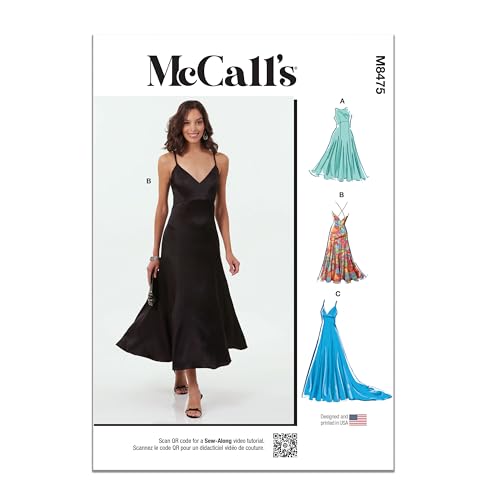
This McCall’s evening gown pattern covers sizes 10-18 and features a floor-length dress suitable for formal weddings or black-tie events. It emphasizes princess seams and elegant lines, offering a more formal alternative to 1950s or Edwardian patterns. It’s best for brides or guests aiming for a classic long gown; caution: some versions may require a few specialty notions for the finished look.
Buying Guide
What should you consider when choosing vintage wedding gown patterns?
- Era and silhouette: Identify the wedding era you want—from Edwardian to 1950s to 1970s—to narrow pattern choices.
- Skill level and effort: Check the instruction clarity and pattern complexity to match your sewing experience.
- Fabric and notions: Consider required fabrics, trims, zippers, and overlays that influence the final look and cost.
- Size and fit: Review size ranges and whether alterations or custom adjustments are expected for the final garment.
- Pattern condition: Vintage patterns may vary in tissue quality; verify included instructions and pieces.
How to evaluate patterns for a wedding project
- Does the pattern include the specific wedding-appropriate silhouette you want (train, veil-friendly, empire waist, etc.)?
- Are the pattern pieces clearly numbered and illustrated to guide assembly?
- Is the envelope color-coding or sizing consistent with your measurements?
- Do you have suitable fabrics in mind that align with the era’s fabric behavior (laces, satins, tulle, chiffon)?
- Is there room in your timeline for potential muslin fittings and adjustments?
Practical tips for shopping vintage sewing patterns
- Pair patterns with a clear sewing plan and a fabric swatch board to visualize the final look.
- Consider pattern combinations—use a bodice from one era with a skirt from another for a customized look.
- Check the pattern’s size range and note differences between vintage sizing and modern patterns.
FAQ
- Are vintage patterns suitable for beginners?
- Can I mix patterns for a custom look?
- Do these patterns come with instructions?
- Is it necessary to use vintage fabrics?
- How do I select the right size?
- What if I need an overskirt or train?
Some are, especially simpler 1950s day-dress patterns, but many bridal-era gowns require intermediate to advanced sewing skills.
Yes, many sewers combine bodices, skirts, or overlays from different patterns for a unique gown.
Most listed patterns include pattern pieces and step-by-step instructions, though some are sold as pattern only.
No, but era-appropriate textures (laces, satins, tulle) help achieve authenticity while modern fabrics can be substituted with care.
Consult the body measurement chart in each pattern and compare it to your measurements, noting that vintage sizing can differ from contemporary standards.
Look for patterns indicating overskirt options or separate train patterns, such as the McCall’s M8450 line, to customize your wedding look.